
Why Patterns Repeat — Even When You Know Better
Have you ever caught yourself thinking:
“I can’t believe I’m here again.”
Same type of relationship.
Same emotional reaction.
Same shutdown.
Same anxiety spiral.
Same over-functioning.
Same resentment.
And this time?
You actually saw it coming.
You knew the red flags.
You understood the dynamic.
You told yourself you’d do it differently.
But somehow… you didn’t.
So what gives?
If awareness is supposed to create change, why does the pattern still run?
Let’s talk about it — from your brain, your nervous system, and your deeper psyche.

Insight Lives in the Thinking Brain. Patterns Live in the Body.
When you gain awareness, you’re using your prefrontal cortex — the reflective, logical part of your brain. It’s the part that can name attachment styles, identify trauma responses, and understand where things started.
But patterns don’t originate there.
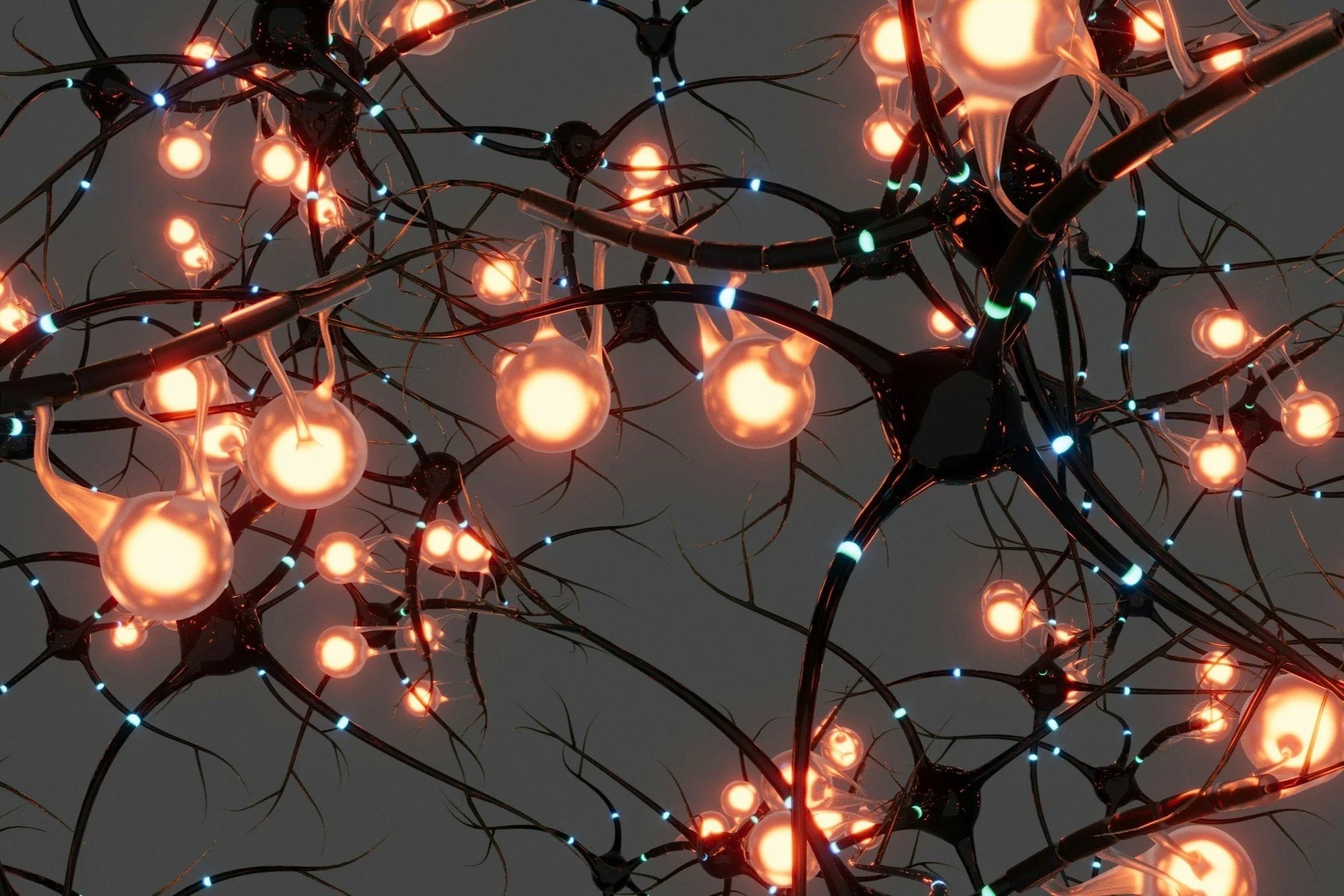
They’re encoded deeper — in the limbic system, in implicit memory, in the autonomic nervous system.
These systems are fast and automatic. They are constantly scanning for safety. And they prioritize predictability over progress.
Your nervous system doesn’t ask, “Is this healthy?”
It asks, “Is this familiar?”
Familiar feels safe — even if it hurts.
If chaos was normal early in life, calm can feel unsettling.
If love was inconsistent, stability can feel boring or suspicious.
If you had to over-function to belong, rest can feel threatening.
You don’t repeat patterns because you lack insight.
You repeat them because your body learned them as survival strategies.
And survival coding runs deeper than conscious thought.
Attachment and Trauma Memory Run on Autopilot
Early relational experiences shape internal templates about love, worth, conflict, and closeness.
Over time, your brain builds predictions based on those experiences. It fills in gaps automatically. It anticipates outcomes before they happen.
So you’re rarely reacting only to the present moment.
You’re reacting to a lifetime of stored emotional memory.
And trauma memory makes this even more powerful.
Trauma isn’t stored as a neat narrative. It’s stored as sensation and state. When something in the present resembles something from the past — even subtly — your nervous system activates before your thinking brain can intervene.
Your body shifts.
You withdraw.
Or pursue.
Or appease.
Or detach.
Only afterward do you think, “Why did I do that again?”
Because your system responded before your insight had a chance.
This is why knowing better doesn’t always mean doing better.
Your nervous system needs more than understanding.
It needs new experiences.
Patterns Are Also Identities — And Identities Protect Themselves
Patterns aren’t just behaviors.
They’re roles you’ve lived in.
The strong one.
The fixer.
The independent one.
The one who never needs anyone.
The one who always gets left.
Even painful identities create coherence. The brain prefers a consistent internal story. So when you try to step outside a long-held pattern, it can feel destabilizing — not just uncomfortable.
Change isn’t just behavioral.
It’s neurological. Emotional. Existential.
From a holistic lens, the parts of you driving these patterns aren’t flaws. They’re adaptive. They developed intelligently in response to your environment.
The anxious part protected you.
The avoidant part protected you.
The perfectionistic part protected you.
Shadow work isn’t about eliminating these parts.
It’s about integrating them — so they no longer run unconsciously.
Real change happens when your nervous system has new lived experiences that contradict the old blueprint. When you stay present in discomfort long enough for your body to learn that something different is possible.
That takes structure.
Support.
Repetition.
Compassion.
If you find yourself looping, it doesn’t mean you’re incapable of growth.
It means your system is loyal to what once kept you safe.
Awareness opens the door.
Integration updates the blueprint.
And that shift begins not with more self-judgment — but with embodied, compassionate work that reaches deeper than insight alone.